-


Local 512
June 20, 2026
My fellow 512 family,
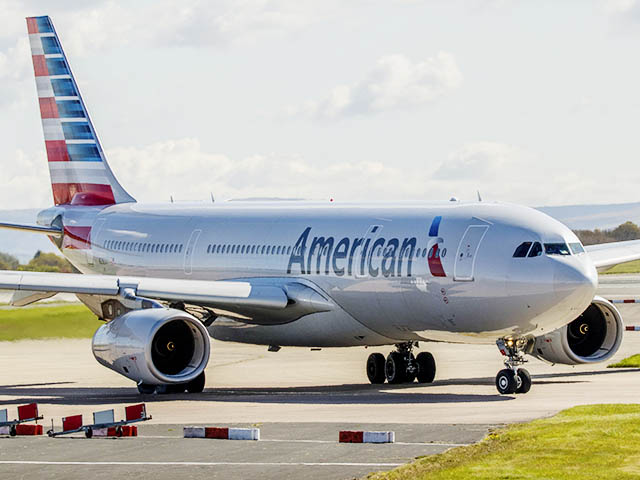
Rumors continue to circulate throughout the industry about American Airlines CEO Robert Isom and the possibility of his departure. While there has been no official announcement from American Airlines, speculation remains that the Board of Directors is evaluating the company’s future leadership as it continues to lag behind its major competitors in several key areas.
Personally, I believe that if Robert Isom leaves American Airlines, it will be on his own accord and on his own terms. The more important question is not whether Mr. Isom departs, but rather who would be selected to lead the company next.
For many frontline members, there is concern that a successor could come from the same US Airways/America West leadership tree that has influenced American Airlines since the merger. If that occurs, expect the same management philosophy and strategic direction to continue. Over the years, we have watched the company move away from many of the principles that long defined Legacy American Airlines as a premium carrier and industry leader.
We can only hope that, if a leadership transition occurs, the Board of Directors carefully considers an outsider or a leader known for operational investment, employee engagement, and long-term growth. Such a decision would send a strong signal that American Airlines is serious about changing course and closing the gap with competitors.
We understand the frustration many members feel throughout the system, including our home at ORD. We hear it every day on the ramp, in the bagroom, in the break rooms, and throughout our operation. Members want to see a company that invests in its workforce, supports its frontline employees, and positions itself for long-term success rather than simply managing costs.
Moving on to other safety items, it is always recommended that, when working inside an aircraft, whether entering or exiting a bin, employees use a veyor for assistance. Never attempt to jump into or out of a bin, as doing so can place unnecessary stress on your knees, ankles, back, and other joints, potentially leading to serious injuries over time.
Additionally, always maintain three points of contact when climbing or descending ladders and remain aware of your footing, especially during periods of high activity or when working in confined spaces. Taking a few extra seconds to use the proper equipment and procedures can help prevent injuries that may harm you both on and off the job.
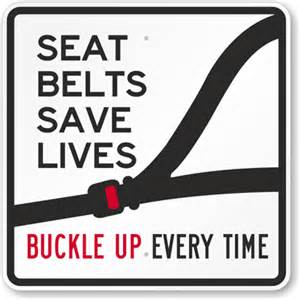
Recently, we had a member involved in an accident while operating a power stow. During the incident, the employee was thrown from the equipment and, fortunately, sustained only minor injuries. However, the member was not wearing their seatbelt at the time of the accident.
This incident serves as an important reminder of why our Safety Team continually stresses the need to wear your seatbelt every time you operate company equipment. No one begins their workday expecting to be involved in an accident, and many incidents occur without warning.
Seat belts are among the simplest and most effective safety devices available to protect operators from serious injury. Taking a few seconds to buckle up can make the difference between walking away from an accident with minor injuries or suffering a much more serious outcome.
Please take care of yourselves and your fellow coworkers by making safety your first priority.
On behalf of TWU Local 512, we wish all of our fathers, grandfathers, stepfathers, and father figures a very Happy Father’s Day!
We recognize and appreciate the dedication, sacrifice, and hard work you provide not only on the job but also for your families every day. Thank you for the example you set and the support you give to those who depend on you.
We hope you have a wonderful day surrounded by family and friends. Most importantly, whether you’re spending the day at work or at home, please stay safe and take care of yourselves.
Happy Father’s Day from your TWU Local 512 family.
Sincerely and fraternally,
Juan Elvira
President – TWU Local 512
PausedJosh Hawley Shows No Mercy To Airline Execs Over Fees And 'Terrible' Flights
American Airlines Grows in Chicago: A New Come Back
Module Content Goes Here
TWU Local 512 is proud to announce the Local 512 app for your smartphone is available for download in the Apple store and the Google play store.
click the iTunes or Google Play logos below to download the app today!



 |
|
|
|
|
|
| Member Resources |
|
|
|
|
|
|

 Steward Request Posting - 2025.docx